Home » Coffee Knowledge » coffee culture » What Is a Coffee Flight and Should You Try One?

Ever stare at a coffee menu and wish you could try everything without buzzing into another dimension? That’s where a coffee flight comes in. Think of it like a sampler platter for your taste buds—small pours of different brews, each one telling its own story through flavor, roast, and brew method. It’s part adventure, part education, and 100% a good time if you’re even a little bit curious about what makes one cup stand out from the next.
Whether you’re just starting to figure out what you like or you’ve already got opinions about washed vs. natural, a flight strips the pressure out of the process. You sit, sip, and start noticing things you didn’t before—acidity, body, finish, even the way a bean’s origin shows up in the cup. It’s not a lecture. It’s just a better way to drink coffee.
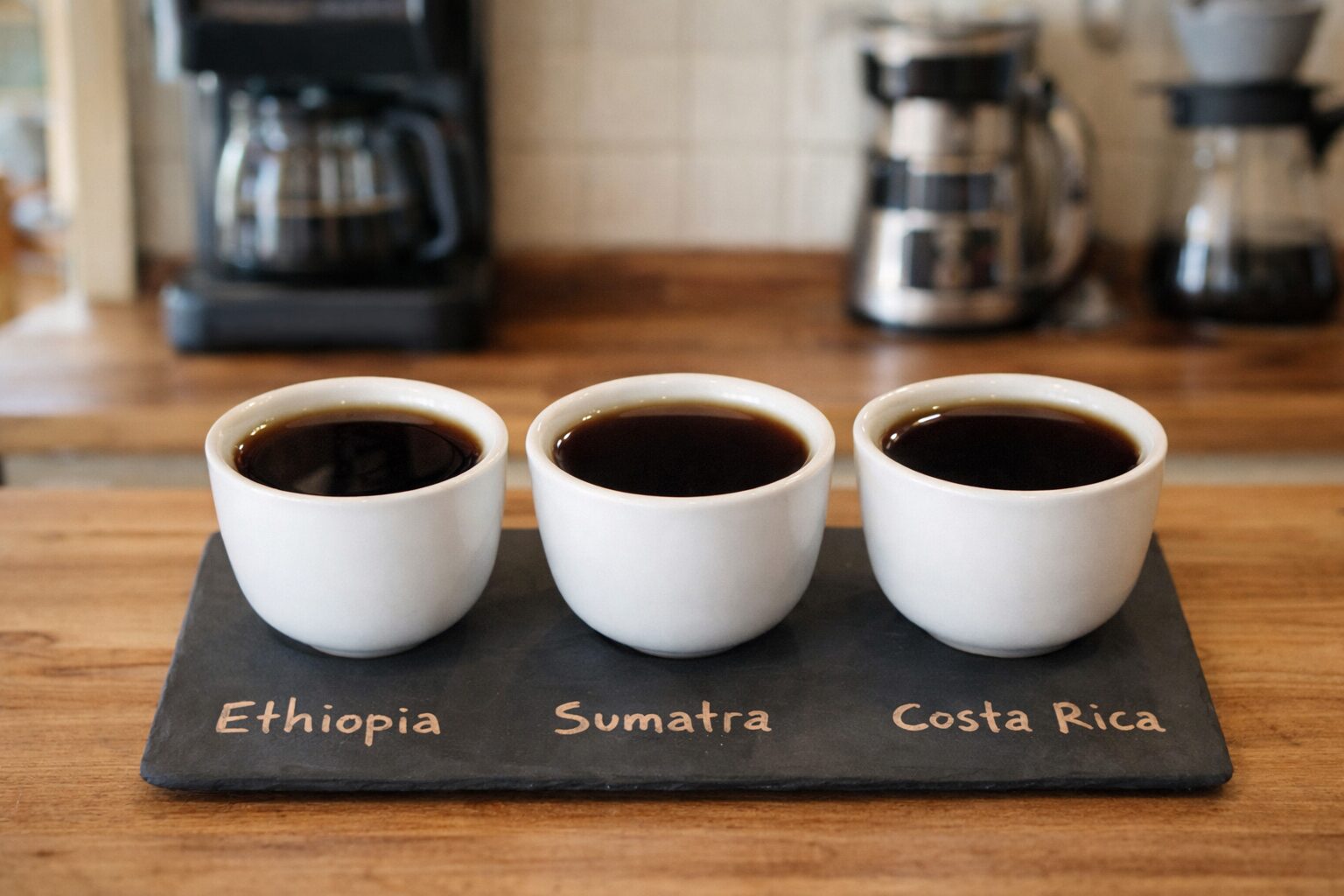
A coffee flight is a structured tasting in which three to six small portions of coffee are served side by side to highlight differences in origin, roast profile, or brewing style. Expert baristas carefully select each coffee to create either complementary or contrasting flavor profiles. The tasting itself is guided, with detailed explanations about aroma, acidity, body, and finish provided for each sample. This format not only helps in developing a refined palate but also plays a critical role in enhancing one’s overall coffee literacy—similar to a cupping session or a guided workshop.
Furthermore, the flight’s structured pacing allows the palate to cleanse between samples, ensuring that subtle differences are noticed. The interactive experience, along with expert insights, transforms each sip into a learning opportunity that deepens engagement with coffee culture.
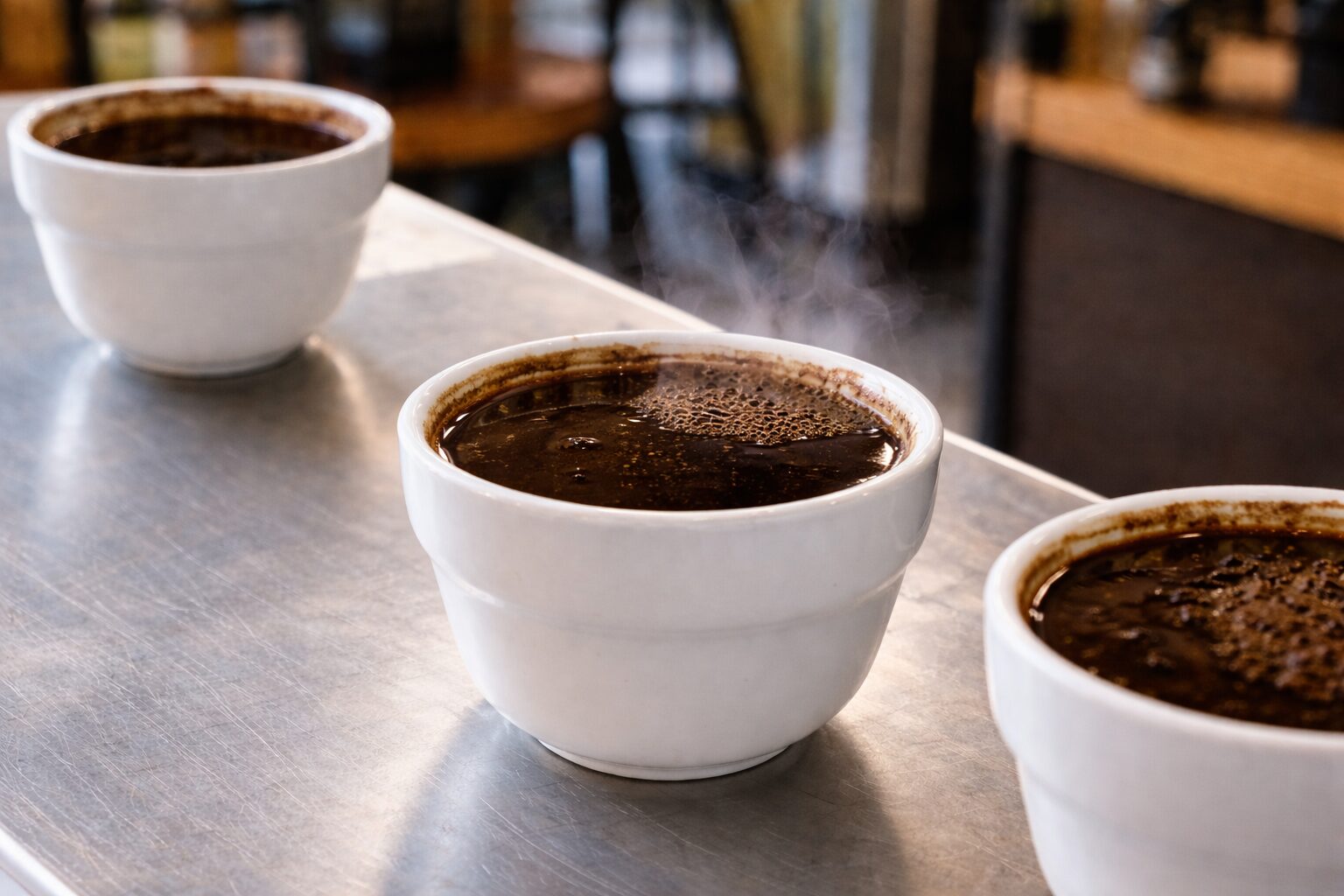
A typical coffee flight mimics the professional cupping process. It begins with an introduction by a knowledgeable barista who explains what to expect. This is followed by a guided tasting where each coffee is served in a small cup—just enough to evaluate its flavor and aroma without causing palate fatigue.
Participants are encouraged to observe the coffee’s color, smell its aroma, and taste it to evaluate elements such as brightness, acidity, sweetness, and body. Throughout the session, the barista may ask questions like “How does the acidity compare between these two samples?” to prompt discussion and comparison. In addition to sip-by-sip guidance, detailed tasting notes or flavor wheels are often provided to help articulate observations, build a personal vocabulary, and reinforce key coffee concepts.
The experience is further enriched by discussions on how different brewing methods—such as pour-over, French press, or espresso—affect the flavor profile of the same bean, thereby expanding participants’ knowledge beyond just the bean itself. If you want to explore this more at home, try how to make strong coffee at home and experiment with various styles.
Coffee flights are curated to showcase diversity. They typically include:
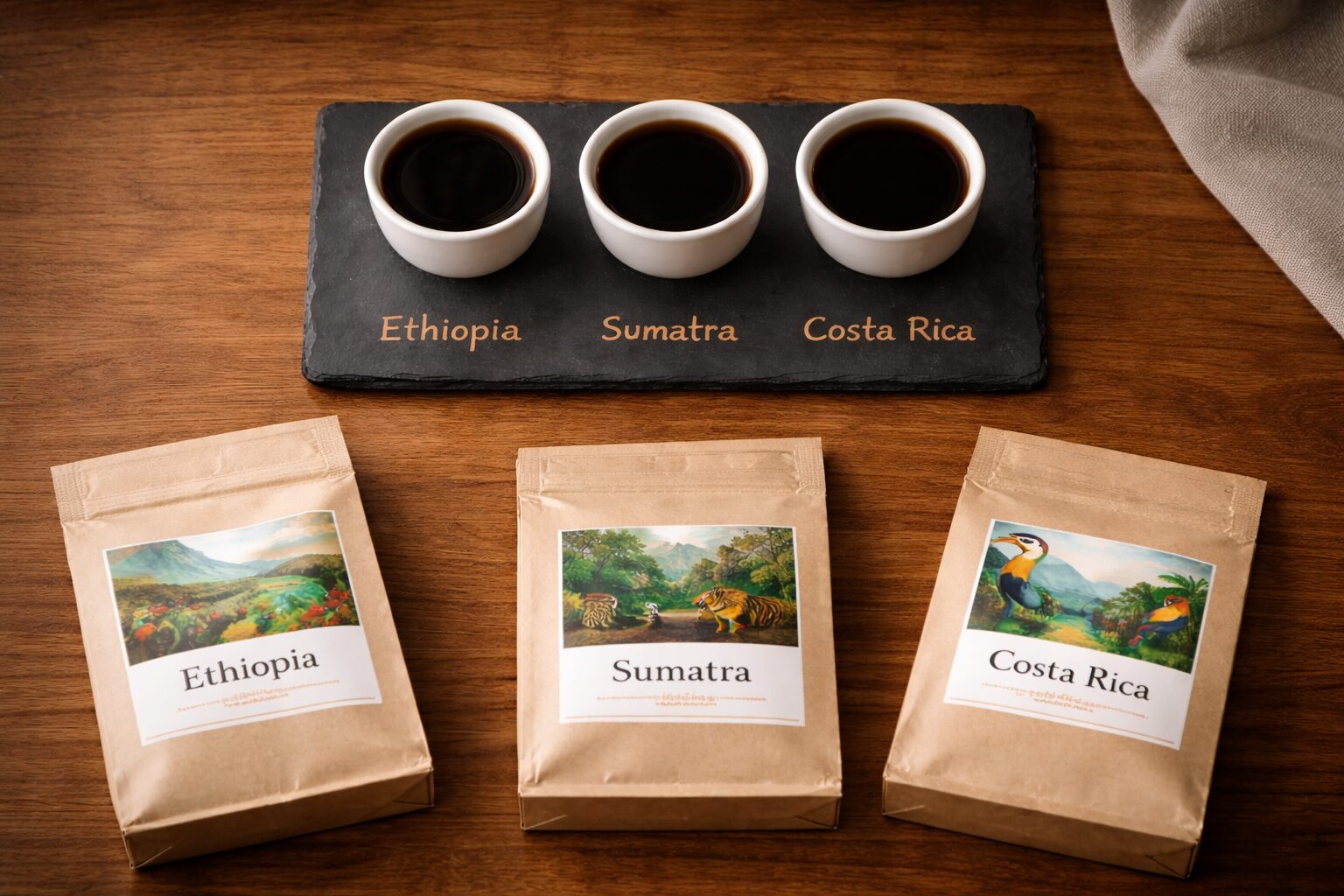
• Single-Origin Coffees: Highlight unique regional characteristics. For example, Ethiopian coffees may offer floral and citrus notes, while Sumatra coffees tend to be earthy and full-bodied.
• Different Roast Levels: A flight might feature light, medium, and dark roasts to demonstrate how roasting affects flavor—from bright acidity and delicate notes in light roasts to robust chocolate or smoky flavors in dark roasts.
• Various Brewing Methods: Some flights compare the same bean prepared using different techniques such as pour-over, espresso, or cold brew, illustrating how preparation styles modify flavor, texture, and clarity.
This thoughtfully combined selection educates participants on how factors like origin, processing, and roast all play a role in the final cup. And if you’re curious about milk-based espresso drinks, a flat white recipe and how it differs from a latte offers another great example of how preparation changes everything.
While a standard coffee tasting may focus on a single brew enjoyed in isolation, a coffee flight is designed for direct comparison. By serving multiple coffees in one session, it allows drinkers to directly observe subtle differences in taste and texture.
Regular tastings often emphasize immediate enjoyment, whereas coffee flights are deliberate, educational experiences. Expert baristas explain technical aspects such as terroir, roast profile, and brewing methods, and provide supplementary materials like tasting notes and flavor wheels. This structured and analytical approach ensures that participants leave with a deeper understanding of what differentiates one coffee from another.
For instance, if you’ve ever asked yourself is espresso stronger than coffee, a side-by-side flight might give you the clearest answer yet.
A coffee flight offers numerous benefits:
• Educational Value: Tasting several coffees side by side sharpens your ability to notice differences in roast, origin, and brewing method, ultimately refining your palate.
• Social Engagement: Sharing the experience with fellow enthusiasts can spark lively discussions, new coffee recommendations, and even lasting friendships.
• Discovery of Favorites: The comparative format enables you to pinpoint subtle flavor notes—like hints of chocolate, cinnamon, or even blueberry—that may help guide future buying or brewing decisions.
• Enhanced Appreciation: The guided process deepens your overall coffee knowledge, transforming everyday drinking into a rich, immersive experience.
And if the journey has you curious about where it all starts, take a deeper look into where your coffee beans come from to understand how geography and origin shape the final cup.
A coffee flight is much more than a simple tasting; it’s an invitation to explore the intricate art of specialty coffee. By sampling a curated selection of diverse coffees, you build a refined palatecapable of discerning subtle flavor differences. The experience not only broadens your coffee knowledgebut also fosters a sense of community among enthusiasts. Ultimately, whether you’re a beginner or a seasoned aficionado, a coffee flight transforms everyday drinkinginto an immersive adventure—one that challenges your perceptions and deepens your appreciation for every cup.
SHARE THIS RECIPE
A coffee flight transforms casual sipping into a deeper, more engaging experience.
Offers side-by-side comparisons of origin, roast, and brew method
Mimics the professional cupping process with guided tasting
Helps refine your palate and build tasting vocabulary
Includes single-origin coffees, various roast levels, and brew styles
Encourages discussion and discovery in a social setting
Ideal for beginners, pros, and anyone looking to explore coffee on a new level

Welcome to Coffee Slang—I’m Nick Puffer, a former barista turned coffee enthusiast. What started behind the counter became a passion I now share with others. Join me as we explore the craft, culture, and lifestyle of coffee.