
Before coffee turned into syrups, cold foams, and menu boards that read like dessert lists, it was simple. Coffee was brewed to wake you up, to get you through the day, and to be shared. These traditional coffee recipes are the foundation everything else is built on — and understanding them makes every modern coffee drink easier to understand.
This page serves as the main hub for traditional coffee recipes on Coffee Slang. It’s not about trends or shortcuts. It’s about the drinks that have lasted because they work — practical, repeatable, and rooted in everyday life.
A traditional coffee recipe isn’t defined by popularity or café branding. It’s defined by longevity and purpose.
Traditional coffee drinks:
Existed long before specialty coffee shops
Use simple ingredients and straightforward methods
Were created to solve practical problems like strength, bitterness, or milk balance
Still work today because the method hasn’t needed changing
If you’re new to brewing, learning the fundamentals matters more than buying new gear. Understanding the proper coffee-to-water ratio alone can improve nearly every cup you brew at home.
Everything starts with brewed coffee. Whether you’re using a drip machine, pour-over, or immersion method, the goal is the same: controlled extraction.
If your coffee tastes weak or bitter, it’s usually not the beans. It’s the ratio, grind size, or water temperature. Getting comfortable with how many scoops of coffee per cup is one of the fastest ways to improve consistency, especially for drip coffee.
Water temperature matters just as much. Brewing outside the ideal range can flatten flavor or pull harsh bitterness. This guide on the best temperature for brewing coffee breaks that down in practical terms.
If you want to improve everyday coffee without changing equipment, start with how to make a classic drip coffee taste better. It focuses on fundamentals instead of gimmicks — which is exactly what traditional coffee is about.
When brewed coffee wasn’t strong enough, people didn’t reinvent coffee — they reinforced it.
A Red Eye combines a cup of drip coffee with a shot of espresso. It’s direct, strong, and built for mornings that don’t allow for compromise. The Red Eye coffee recipe – a bold way to start the morning is a perfect example of coffee serving a clear purpose.
The Black Eye takes that same idea further by adding two shots of espresso. If you’re curious how far you can push strength without sacrificing structure, the Black Eye coffee recipe lays it out cleanly.
These drinks also answer a common question: Is espresso stronger than coffee? Strength depends on how it’s used — not just how it’s brewed.
Espresso isn’t a category of coffee meant to stand apart — it’s a building block.
Traditional espresso drinks exist to adjust intensity without masking flavor.
A Café Americano adds hot water to espresso, creating a drink closer in strength to brewed coffee while preserving espresso’s character. The Cafe Americano recipe exists because people wanted balance, not dilution for its own sake.
The Long Black follows the same idea with a different execution. By pouring espresso over hot water instead of the reverse, crema is preserved and mouthfeel changes slightly. The Long Black coffee recipe shows how order matters even when ingredients don’t change.
Some traditional coffee recipes exist because of culture, not convenience.
Café Cubano, also known as cafecito, sweetens espresso during extraction — not after. Sugar becomes part of the brewing process itself. The Cafe Cubano (Cafecito) recipe highlights why this drink is as much about ritual as flavor.
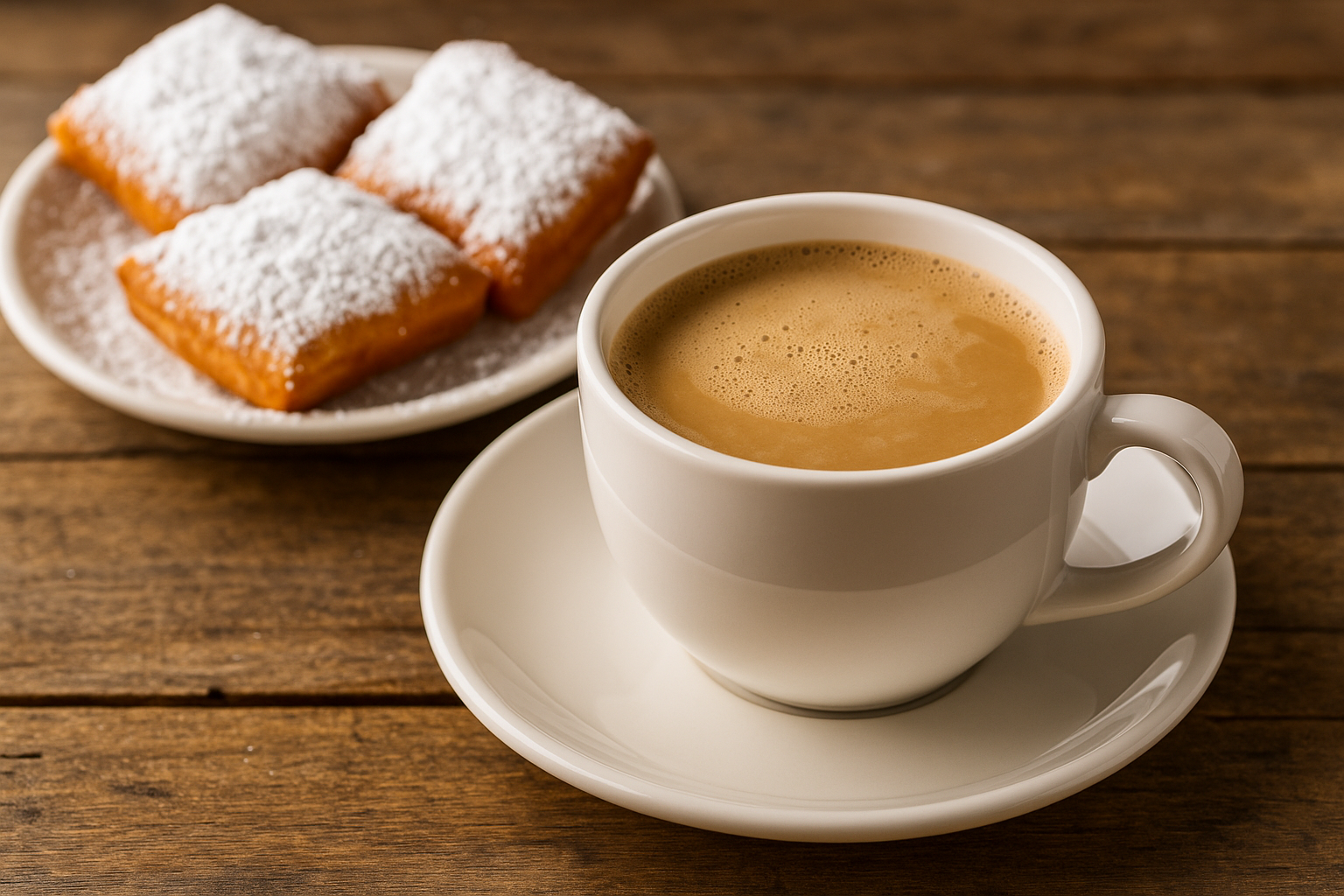
The Cafe au Lait represents a completely different tradition. Brewed coffee combined with hot milk — not espresso — creates a softer, more balanced cup. The Cafe au Lait recipe – New Orleans style reflects a regional approach that values comfort and drinkability.
Milk entered coffee to balance bitterness, not bury flavor.
A classic latte is simply espresso and steamed milk. Understanding structure matters more than foam or flavoring, which is why the complete guide to lattes focuses on ratios and technique.
A cappuccino uses equal parts espresso, steamed milk, and foam, creating a lighter, drier drink. The breakdown in how to make a cappuccino explains why cappuccinos are traditionally smaller and more structured than lattes.
Drinks like the flat white recipe and the cortado recipe sit between espresso purity and milk balance, offering strong coffee flavor with minimal foam.
Traditional coffee recipes teach you how coffee actually works.
They help you:
Understand extraction instead of guessing
Brew consistently without expensive equipment
Choose drinks based on taste, not trends
Once you understand these foundations, modern coffee drinks stop feeling complicated. They become variations — not mysteries.