Home » Coffee Knowledge » coffee-recipes » How To Make A Latte At Home
 Nick Puffer
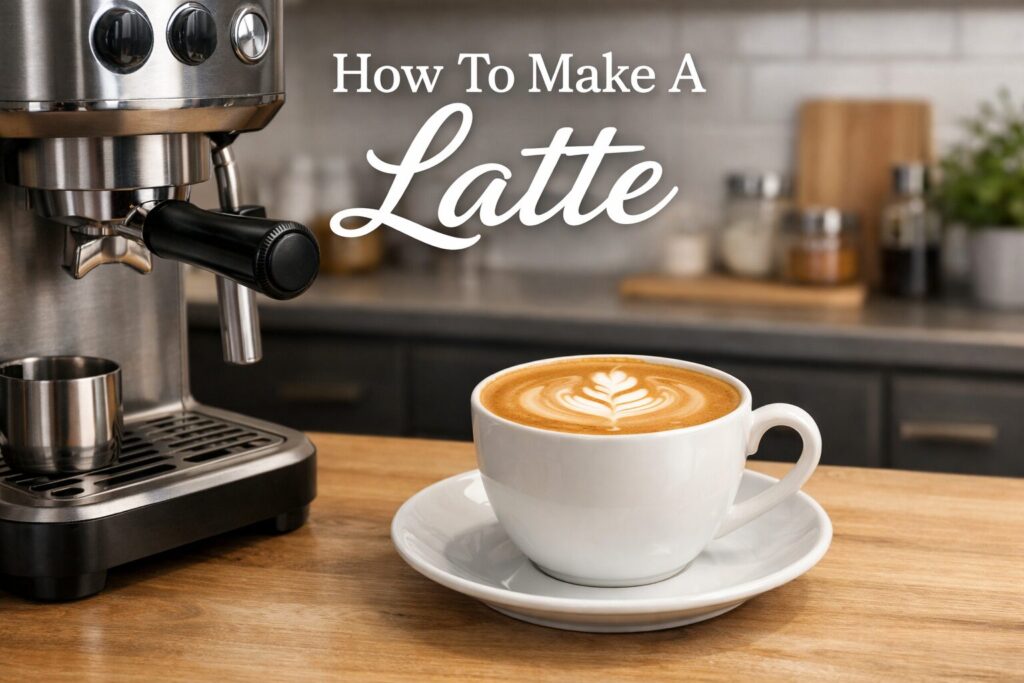
A latte is one of the most satisfying drinks you can make at home — rich espresso softened by a generous pour of steamed milk, topped with a thin layer of silky foam. Once you nail the basics, it's faster than a coffee shop run and endlessly customizable. Here's everything you need to pull it off.
| Milk Type | Frothing Performance | Flavor Profile | Best For |
|---|---|---|---|
| Whole milk | ⭐⭐⭐⭐⭐ Excellent | Creamy, slightly sweet | Classic latte |
| 2% milk | ⭐⭐⭐⭐ Good | Lighter, still creamy | Everyday latte |
| Oat milk (barista) | ⭐⭐⭐⭐ Good | Neutral, slightly sweet | Dairy-free latte |
| Almond milk | ⭐⭐ Fair | Nutty, thinner foam | Lighter option |
| Soy milk | ⭐⭐⭐ Decent | Distinct, earthy | Higher-protein option |
Water that's too hot scorches the coffee and produces a bitter, harsh shot. The ideal brewing temperature is 195–205°F (90–96°C) — just off the boil. Most espresso machines regulate this automatically, but if you're using a moka pot, pull it off the heat the moment you hear the gurgle to avoid over-extracting.
Overheated milk loses its natural sweetness and produces flat, bubbly foam instead of smooth microfoam. Aim for 150–160°F and stop steaming before the pitcher gets too hot to hold comfortably. For more on temperature and its effect on flavor, see our post on the complete guide to lattes.
Espresso is unforgiving of stale coffee. Whole beans start losing peak flavor within two weeks of roasting. Buy in small batches, store in an airtight container away from light and heat, and grind just before brewing.
Once you've got the base down, the latte is one of the most versatile drinks to riff on. Here are a few worth exploring:
Add 1–2 pumps of vanilla syrup to the espresso before steaming. Clean, classic, universally loved.
Swap to a barista-blend oat milk. Froths well, slightly sweet, and pairs beautifully with medium roast.
Pull your shot directly over ice, then top with cold milk. Skip the steam wand entirely — no frothing needed.
Honey + cinnamon + steamed milk + espresso. One of the coziest variations you can make at home.
Smaller drink, tighter microfoam, stronger espresso ratio. Think of it as a latte with more intensity.
Equal parts espresso, steamed milk, and thick foam. Airier and more espresso-forward than a latte.
The two things that most often go wrong here are the milk and the machine. If your steamed milk comes out thin or bubbly, why milk won’t froth covers the fixes. If you’re shopping, the best affordable espresso machines guide is picks from $65 to $700 that can actually steam.
Both start with espresso and steamed milk, but the ratios are different. A latte is mostly steamed milk with just a thin layer of foam on top — smooth, creamy, and milk-forward. A cappuccino uses equal parts espresso, steamed milk, and thick foam, making it lighter, airier, and more espresso-forward. If you enjoy the taste of espresso but want it softened by milk, go with a latte. If you want more intensity and texture from the foam, a cappuccino is your drink.
Whole milk is the traditional choice — its fat content creates the creamiest texture and most stable microfoam, and it has a natural sweetness that pairs well with espresso. For dairy-free options, oat milk (especially barista-edition brands) is the closest match in terms of frothing performance and flavor. Almond milk can work but tends to produce thinner foam, and soy milk froths reasonably well but has a distinct taste.
Yes — a moka pot or AeroPress both brew a concentrated, bold coffee that holds up well to steamed milk. The flavor won't be identical to true espresso, but it's close enough for a great homemade latte. For frothing without a steam wand, a handheld milk frother is the easiest and most affordable option.
It depends on your milk choice and whether you add sweetener. A 12 oz latte made with whole milk and no sugar has roughly 150–180 calories. With skim milk, that drops to about 90–100 calories. Oat milk typically falls in between at around 120–140 calories. Flavored syrups add about 20 calories per pump. One advantage of making lattes at home is that you control exactly what goes in.
Bitterness usually comes from one of three things: over-extracted espresso (water too hot, grind too fine, or too long a brew time), stale beans, or scalded milk. Start by checking your grind size — if it's too fine, the water can't flow through evenly and over-extracts. Also make sure you're not steaming milk above 165°F, as overheated milk loses its sweetness and takes on a flat, slightly burnt taste.
☕ Quick Takeaway
📋 In This Guide
🔗 Related Articles

Former barista. Lifelong coffee obsessive. I started Coffee Slang to cut through the noise and share what actually matters — good recipes, honest gear takes, and a genuine love for the craft.
About the Author →